Solana 101: A 2026 Guide to SOL and Its Ecosystem
The complete Solana guide for 2026. Covers how SOL works, Firedancer, DeFi, staking yields, DePIN, institutional adoption, and how to keep your Solana assets safe.

- Solana in 2026 is battle-tested infrastructure - fast, cheap, and increasingly institutional.
- Firedancer will push Solana's throughput and resilience to new levels as adoption grows.
- DeFi on Solana composes natively on one chain - no bridges, no switching networks.
- DePIN projects like Helium, Render, and io.net are generating real revenue on Solana rails.
- If you're not staking SOL, inflation is diluting your holdings.
- Spot SOL ETFs are live in multiple markets, with broader institutional access still incoming.
- Meme coin culture drives volume and fees but also exposes users to rug pulls and scams.
- Wallet drainers and phishing are the top threat vectors - tools like Kerberus Sentinel3 block them before they execute.
Introduction
So… You think you know Solana.

- Maybe you bought some SOL during the last bull run, or flipped (fumbled?) a few meme coins last year.
- Maybe you’ve installed a Phantom wallet guide to swap tokens on Jupiter.
- Maybe you’re an OG who lived through the Great Solana Winter of 2022 when the FTX exchange collapse dragged down the price of $SOL to around $8.
- Maybe you were briefly rich when you saw SOL rebound to an all-time high of about $295 in January 2025.
- After a crazy Solana year, maybe you saw it go back down to under $80 and decided to jump in. Bear markets are for building after all!
Or maybe this is your first introduction to the wild frontier of Solana, where some of the biggest innovations in crypto now happen.
Who cares? You’re here right now. Solana ETFs. Firedancer. Meme coins 2.0. Staking. Internet Capital Markets.
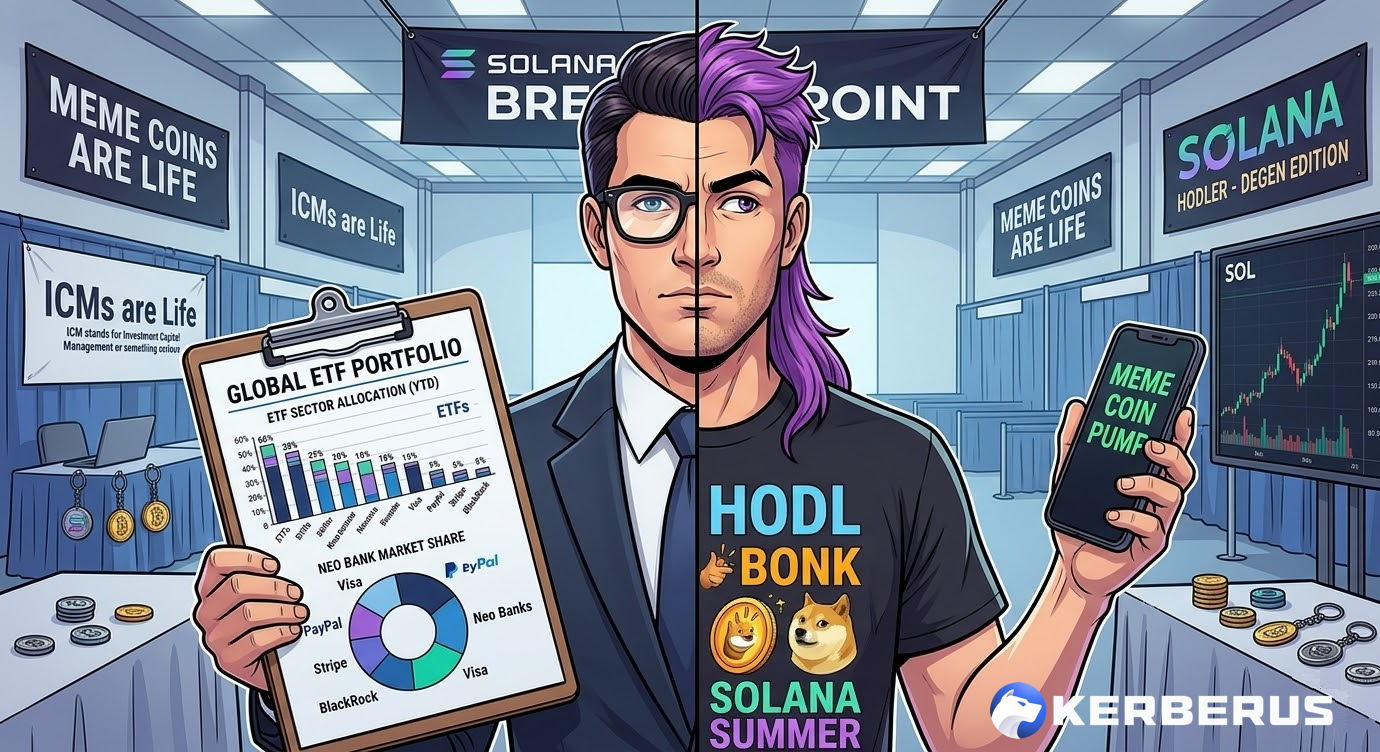
Image is free to use with a courtesy backlink to this article
Your job is to decipher what is just noise and what’s pure signal alpha in 2026. How? Well, that’s up to you to decipher, and don’t trust your new favorite influencer or the Solana Foundation podcasts to tell you. We’re all licking our wounds after another bullrun went Kaboom.
Here are the big Solana questions to answer this year:
- Does Solana still really really matter?
- How does the Solana ecosystem work?
- What are its major drivers?
- And how do you keep your Solana assets safe while using it?
- Will your Solana meme coin bags ever recover?
The first answer is yes. This guide covers the rest.
Except the meme coin one. Sorry, we don’t do financial advice of any kind, and well, you probably already know the answer.
So yes, official disclaimer: This article is opinion only, and not financial advice of any kind.
LFG!
What Is Solana? A Plain-English Explainer
Solana is a Layer 1 blockchain, that is a standalone network, not built on top of another chain, which is similar to how crypto’s bluechip blockchains like Ethereum, Bitcoin and BNB Chain operate independently.
The Solana project was co-founded by Anatoly (Toly) Yakovenko, Raj Gokal, and Greg Fitzgerald. Its mainnet beta launched in March 2020, with the world in turmoil as the Covid pandemic brought markets crashing.
Solana was designed around one core idea: make a blockchain fast enough and cheap enough that regular people would actually use it.
Let’s hear it from Toly, SOL’s de-facto frontman, himself. He’s a Canadian software engineer who did write the Solana whitepaper after all!
https://www.youtube.com/watch?v=Oz8iojDPDqQ
Solana delivers on that premise by combining Proof of Stake consensus (where validators stake SOL as collateral to confirm transactions and earn rewards in the process) with something called Proof of History.
Think of Proof of History as a built-in clock that timestamps transactions before they even hit the network. This means validators don’t need to constantly communicate with each other to agree on the order of events, they can just check the clock. The result is that Solana targets a new block (slot) roughly every 400 milliseconds, with typical real-world block production closer to 400-600 milliseconds depending on network conditions.
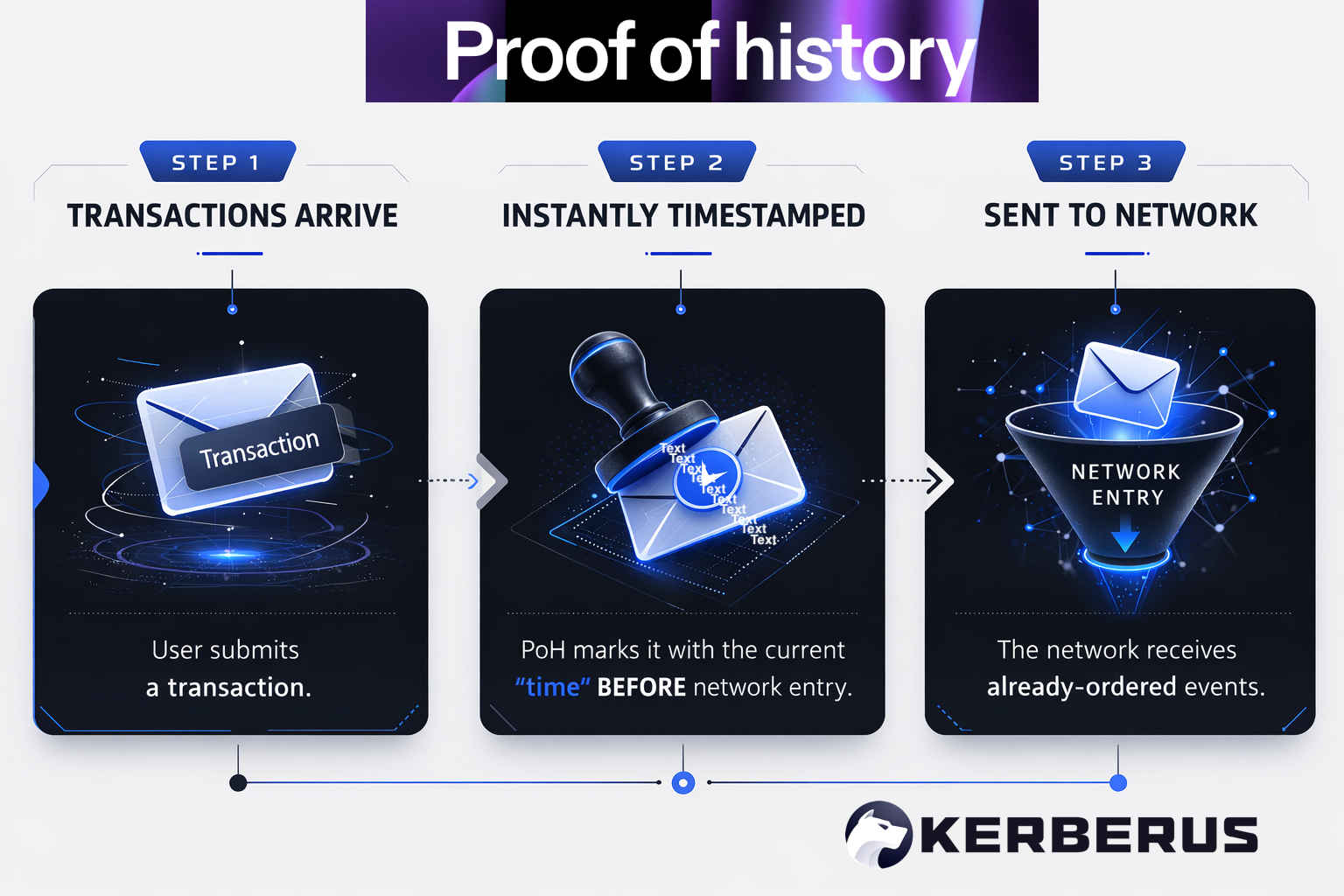
For comparison, Ethereum blocks arrive about every 12 seconds, making Solana roughly an order of magnitude faster at the base layer.
Transactions usually cost less than a cent. The network regularly handles thousands of transactions per second in real-world usage, as shown on live Solana stats. And everything, DeFi, NFTs, payments, gaming, runs on one single chain, so there’s no need to move funds between different networks.
That’s the pitch. Here’s why it still holds up in 2026.
Why Solana Still Matters in 2026
The Reliability Problem Is (Mostly) Solved
Between 2021 and early 2023, Solana suffered multiple full network outages, moments where the chain went down completely and nobody could transact, as documented in this Solana outages history. Critics used those incidents to write Solana off.
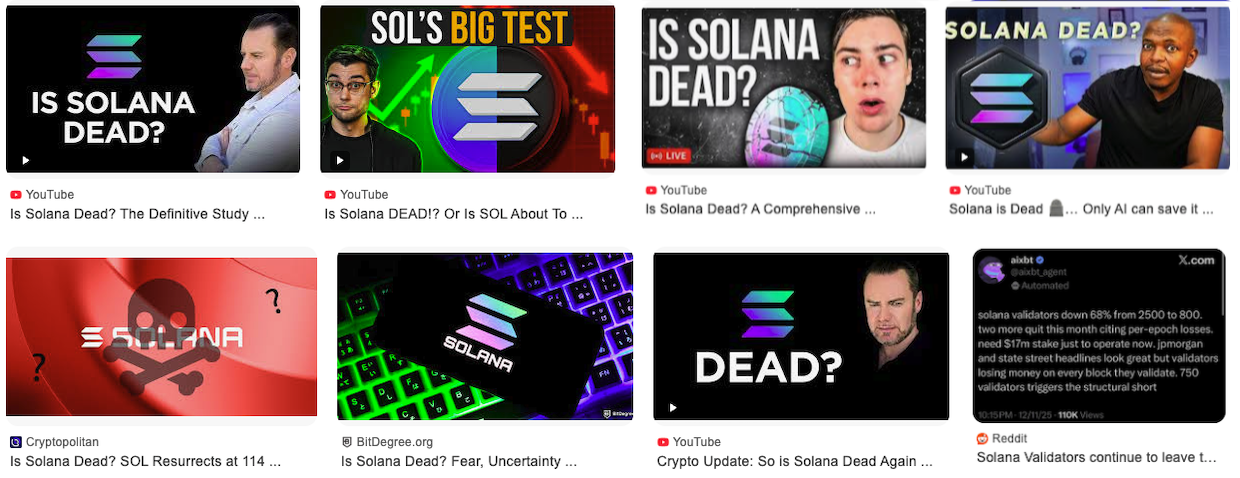
Is Solana dead? Short answer: Never!
That chapter is largely over. Solana saw one major outage in February 2024, but has otherwise maintained long stretches of continuous uptime, including 100% uptime across Q2 2023 and sustained stability through late 2024 and into 2025, according to the official Solana status and independent uptime analysis. The root causes were addressed through engineering fixes that reduced the impact of spam, improved scheduler behavior, and hardened validator software.
The network isn’t just stable now. It’s battle-tested under enormous load from memecoin trading, real-world device networks, and DeFi activity that routinely pushes thousands of transactions per second and tens of millions of transactions per day.
Tell that to all those “Solana Killers” like SUI!
Firedancer: A Major Upgrade Rolling Out
The biggest technical development around Solana in 2025-2026 is Firedancer, a completely new validator client for Solana, built from scratch by Jump Crypto’s engineering team.
Why does this matter if you’re not a developer?
- Performance: Firedancer has demonstrated over one million transactions per second in testing, as covered in this Firedancer TPS demo.
- Safety: Having multiple independent validator clients means a bug in one implementation is less likely to take down the entire network, similar to Ethereum’s multi-client model.
Firedancer began rolling out on mainnet in late 2025 and, by early 2026, secures a meaningful share of stake, with adoption expected to keep growing through the year, according to recent Firedancer adoption coverage. It’s one of the most important infrastructure developments in the entire Web3 space right now.
DeFi That Competes With Anything in Crypto
Solana’s DeFi ecosystem, the suite of financial tools that run on-chain without banks or intermediaries, has grown from experimental to genuinely world-class. Overviews like this Solana DeFi guide highlight:
- Jupiter as the main Solana DEX aggregator, routing trades across many pools and offering limit orders and dollar cost averaging (DCA).
- Raydium and Orca as core liquidity venues.
- Kamino Finance and MarginFi for lending and borrowing.
- Drift Protocol for perpetual futures trading.
The key advantage of Solana DeFi isn’t any single app, it’s that all of these protocols live on one chain. When you deposit collateral on one protocol and swap on another, there’s no bridging between networks, no switching wallet connections, and no extra gas fees for moving assets across chains. Everything composes together naturally, which is one of Solana’s structural edges.
Real-World Infrastructure: DePIN
DePIN stands for Decentralized Physical Infrastructure Networks. Instead of one company building and owning infrastructure, communities of individuals contribute hardware and earn token rewards.
Solana is one of the leading chains in this category:
- Helium migration brought its decentralized wireless network, hundreds of thousands of hotspots, to Solana in 2023.
- Render Network moved decentralized GPU rendering from Ethereum to Solana.
- Hivemapper is building a community-driven mapping network.
- io.net aggregates GPU compute for AI workloads.
These are live networks serving real customers and generating revenue, not just speculative whitepapers. They chose Solana because it’s fast enough to handle millions of device interactions per day, cheap enough that small token rewards are viable, and reliable enough to serve as infrastructure.
Big Institutions Are Coming (Really!)
As Solana enters it business-in-the-front party-in-the-back era, Institutional interest has continued to build:
- PayPal launched PYUSD on Solana in May 2024, a major Fortune 500 financial player choosing Solana for a flagship stablecoin.
- Circle issues USDC on Solana, which has become one of the actively used dollar assets on the chain.
- Visa has tested settlements on Solana rails, highlighted in the same PayPal announcement and related Solana partnerships.
- Google Cloud and Amazon AWS provide Solana node hosting options, and Deutsche Telekom runs a validator.
In parallel, Solana is increasingly framed as an “Internet Capital Market”, a chain with the speed, execution predictability, and auditability needed for on-chain versions of traditional financial products like tokenized money markets, derivatives, and settlement systems. Several asset managers filed for Solana-based exchange-traded products following Bitcoin and Ethereum ETF approvals, and a range of SOL ETPs now exist in some jurisdictions, though global ETF coverage is still uneven and evolving.
These aren’t experimental pilots anymore. They reflect genuine conviction that Solana’s technology is approaching enterprise-grade requirements.
How to Earn Yield: Staking Your SOL
If you hold SOL and aren’t staking it, you’re leaving crypto yield on the table and getting diluted by inflation.
Staking means delegating your SOL to a validator, one of the nodes that processes transactions on the network, and earning a share of rewards. You keep full ownership of your SOL throughout this process.
Current native staking yields typically sit around 6-8% APY, depending on network conditions and validator performance, as outlined in this Solana staking guide. Liquid staking through protocols like Jito can push that to roughly 7-9%, with the added benefit that your staked SOL stays usable in DeFi. Jito passes along MEV and priority-fee revenue to stakers, which is how the higher yield is generated.
Staking is built into most Solana wallets. The same Phantom wallet guide and Solflare both have staking interfaces directly in the app. The process is straightforward: connect your wallet, choose a validator, and delegate. Rewards are paid out every epoch (roughly every 2-3 days).
A few important points about Solana’s economics, as detailed in Solana tokenomics:
- Inflation started at 8% and decreases by 15% annually, targeting a long-term rate of around 1.5%.
- As of 2026, effective inflation is around 4% and trending lower each year.
- Half of all transaction fees are burned (permanently removed from circulation), creating deflationary pressure during high activity.
If you’re not staking, inflation dilutes the value of your unstaked SOL over time.
When choosing a validator:
- Look for strong uptime history and good performance stats.
- Target a reasonable commission rate (often 5-10%).
- Consider supporting smaller, reliable validators to help decentralize the stake rather than concentrating it among the largest operators, a trend tracked in validator reports and validator counts.
Staying Safe on Solana: What Every User Needs to Know
Speed and cheap transactions are what make Solana great. They’re also what make it attractive to scammers.
In the first half of 2025 alone, Solana users lost an estimated $250 million to hacks and scams, roughly 15% of all Web3 losses in that period, according to Kerberus loss data. About $90 million of that came directly from wallet-draining attacks, where users were tricked into signing transactions that emptied their wallets. And the problem isn’t getting easier, real-time transaction protection exists in only a fraction of Web3 security tools.
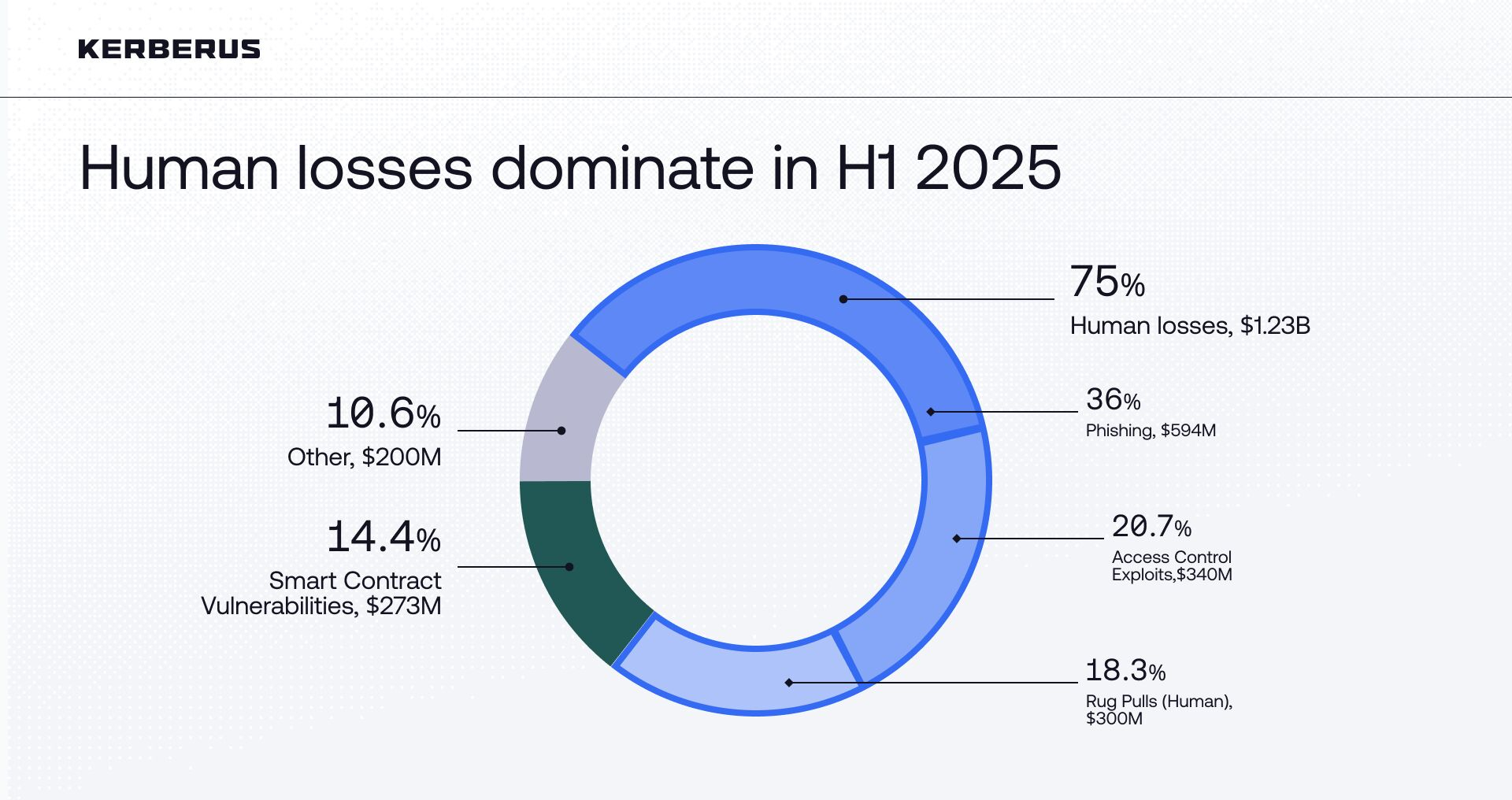
Most Solana losses don’t come from sophisticated protocol exploits. They come from users approving transactions that look legitimate but are designed to drain funds. The same speed that makes Solana fun to use means a malicious transaction executes in milliseconds, often before people have time to second-guess it.
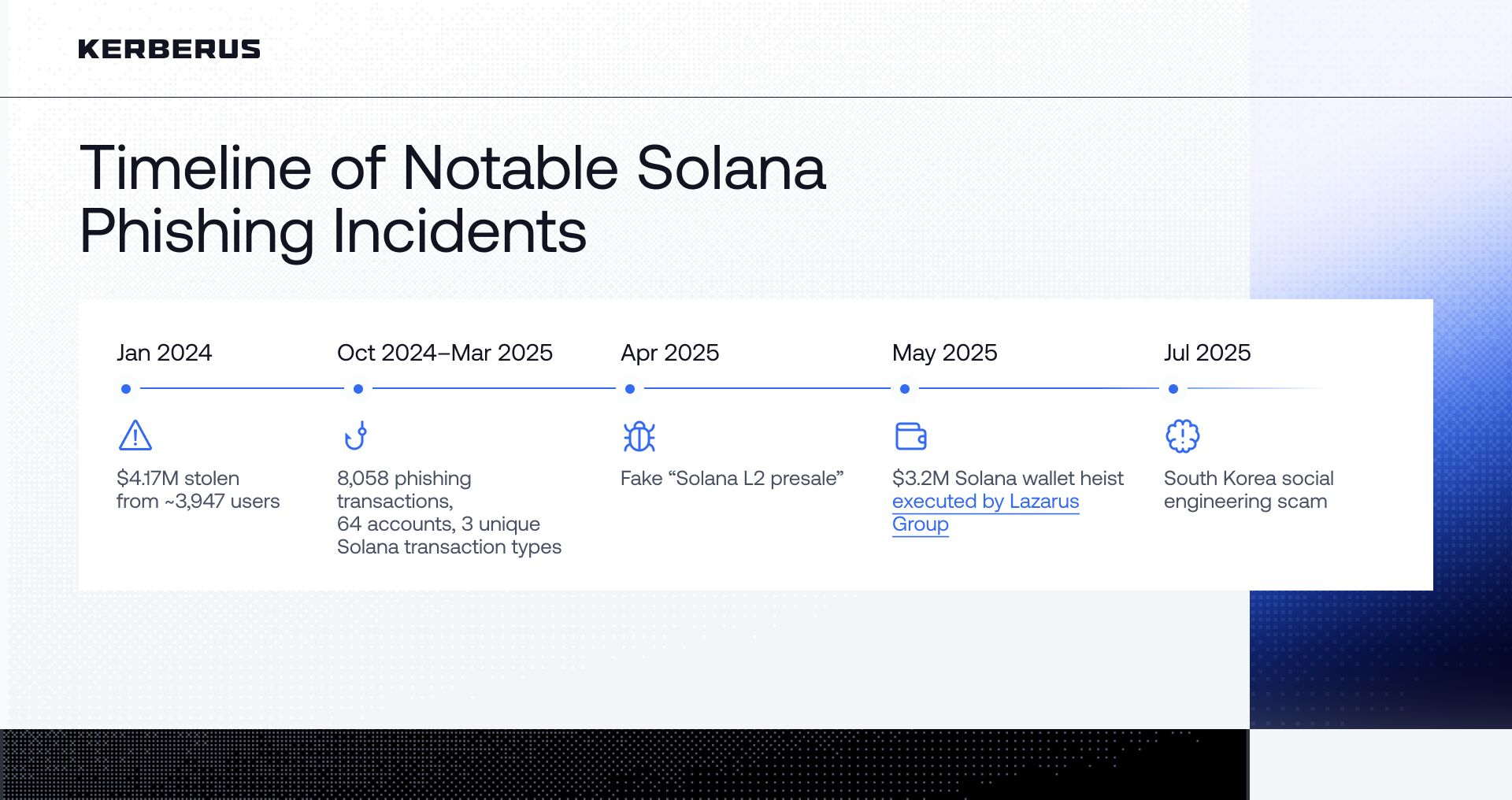
This is where your security habits matter as much as your investment choices. For a full breakdown of the threat landscape, see our guide to Web3 security threats.
Basic Security Habits
- Use a hardware wallet for significant holdings. Ledger and Trezor both support Solana. Keeping your main holdings in cold storage, offline, on a physical device, means they can’t be accessed by a malicious website or app, even if you’re tricked into visiting one.
- Read every transaction before signing. Wallets like Phantom show a simulation of what a transaction will do before you approve it. Take a few seconds to read it. If a simple swap is asking for access to your entire wallet, that’s a red flag, stop and don’t approve.
- Bookmark the sites you use regularly. Don’t click links from Discord, Telegram, or social media to access DeFi protocols or wallet interfaces. Web3 phishing sites often mimic the real ones with small URL changes. Bookmark Jupiter, Raydium, and any other protocol you use, and only access them through those saved links.
- Revoke approvals you no longer need. When you interact with a protocol, you often grant it permissions. If you stop using that protocol, revoke them. Tools exist to do this on Solana and it’s an important hygiene step. Read more about self-custody best practices.
- Be especially cautious during hype events. Mints, drops, and frenzied meme trading are prime time for attackers. In May 2025, the North Korea-linked Lazarus Group stole around $3.2 million from Solana wallets purely via phishing and social engineering, as covered in this Lazarus Solana hack.
How Kerberus Sentinel3 Protects Solana Users
Good habits reduce risk. Automated protection can eliminate most of what remains.
Kerberus Sentinel3 is a browser extension built to protect Solana (and broader Web3) users by analyzing every transaction before you sign it. Instead of relying on you to manually catch red flags in a three-second signature window, Sentinel3 works automatically, scanning for known crypto wallet drainers, spotting malicious approvals, and blocking dangerous transactions before they execute.
Since January 2023, Sentinel3 has reported zero confirmed losses for protected users, with each covered transaction backed by up to $30,000 in third-party coverage (always check current terms, as coverage caps and conditions can evolve).
In 2025, Kerberus also acquired Pocket Universe, another transaction simulation tool, and integrated its protections into the Sentinel3 platform. The combined system runs simulations against Sentinel3’s scam intelligence models and presents human-readable previews of what a transaction will do before you click approve.
For a complete overview of available security tools, see our guide to Web3 security tools.
Real Solana Risks Worth Understanding
Solana is compelling in 2026, but going in with clear eyes matters.
- Validator hardware costs are high. Running a Solana validator requires powerful hardware and substantial bandwidth. The number of active validators has fallen from over 2,000 at the 2023 peak to under 1,000 in early 2026, with some estimates around 800 active nodes, reflecting cost pressure and pruning, as noted in recent validator count reports.
- Regulatory uncertainty persists. Whether SOL qualifies as a security in specific jurisdictions remains unresolved, and DeFi protocols globally face shifting compliance expectations.
- FTX estate selling pressure. The FTX bankruptcy estate held substantial SOL and has been distributing it over time. Luckily, most of the unlocks are now done and the selling pressure has now been absorbed.
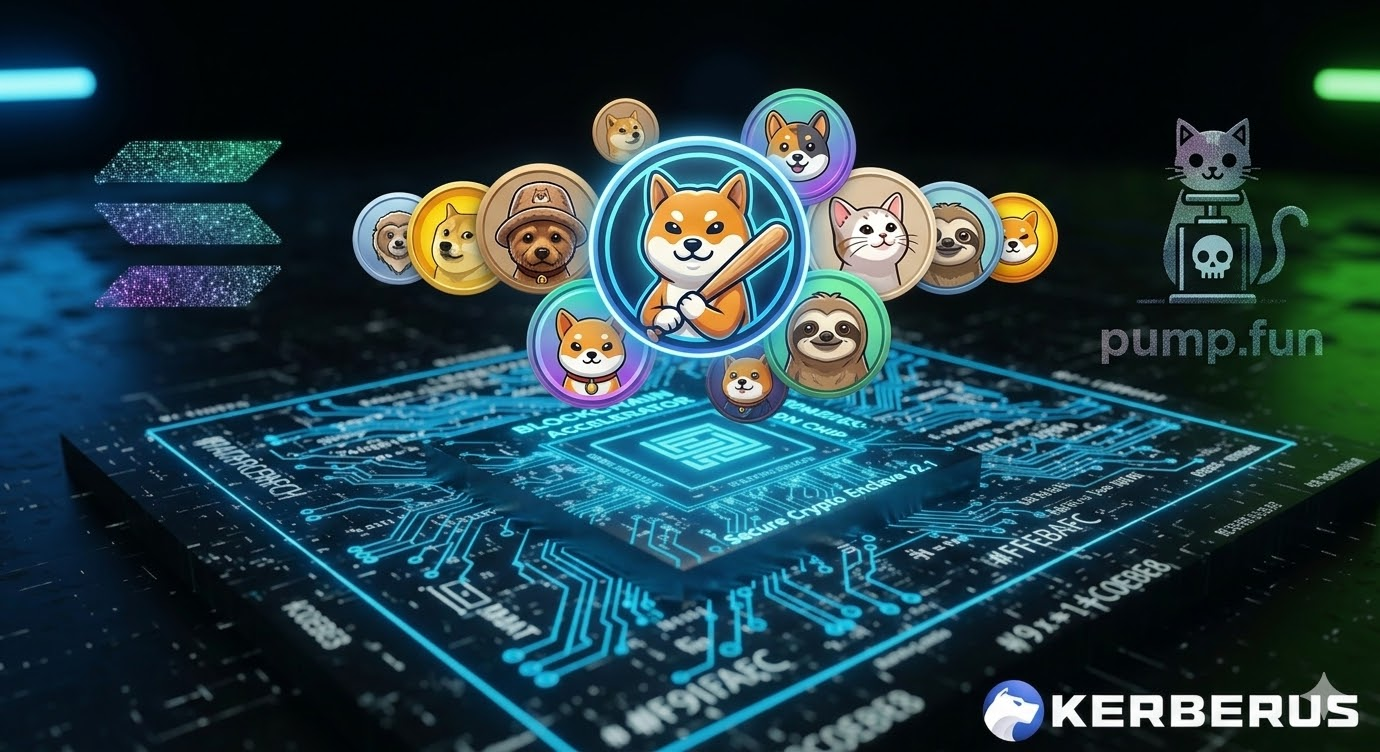
- Memecoin culture cuts both ways. Memecoin trading drives significant volume, fee revenue, and user growth on Solana. It also exposes newcomers to high-risk speculation and rug pulls, and has damaged to some degree the reputation of the ecosystem. While meme coin mania drives key metrics like millions of new users and new wallets which investors love, the launchpad wars between Pump.fun, LetsBonk and others have created millions of useless tokens in the process and billions of lost dollars that could’ve supercharged legitimate sectors of the industry. Of course, we all need a gamble, and prediction markets don’t always satisfy that itch.
(Image is free to use. Please link to this article if you use this image.)
None of these are reasons to dismiss Solana. All of them are reasons to approach it with appropriate caution.
Technical Milestones to Watch in 2026
A few developments will shape Solana’s trajectory over the coming year:
- Full Firedancer adoption. As more stake migrates to Firedancer and other independent clients, performance and resilience benefits compound across the network.
- Spot SOL products and ETF flows. Solana-linked exchange-traded products exist in some markets, but broader spot ETF approvals and flows, especially in the U.S. and Europe, could materially change the institutional access picture, as discussed in this Solana 2026 outlook.
- Alpenglow consensus upgrade. A proposed upgrade to Solana’s consensus mechanism targeting faster, more predictable finality, the sort of reliability institutional desks and structured product builders look for, covered in several Solana roadmap pieces.
- AI and Solana convergence. From GPU compute networks like Render and io.net to on-chain AI crypto scam detection and data markets, the intersection between AI workloads and Solana infrastructure is growing quickly.
- Token Extensions adoption. Features such as confidential transfers and built-in compliance hooks make Solana more attractive for institutional and regulated products, supporting the broader “Internet Capital Market” vision.
Bullish Solana Narratives and Drivers for 2026
Some of the sharpest minds in Web3 still cut their teeth on Solana. From meme coins to Wall Street money, everything interesting in crypto right now has some footprint on Solana.
Further to our Top 2026 narratives guide for crypto, here are a few compelling drivers for Solana adoption this year and beyond.
Meme Coins Still Print Money
Platforms like Pump.fun let anyone launch a token in seconds. No coding. No gatekeepers. BONK and dogwifhat turned internet jokes into life-changing money for early holders - and the fees those tokens generate actually help secure the network. Retail traders who are skilled, smart and cautious always have a real shot, not just the bots, even if its increasingly smaller. Beware the meme coin cabals and insider trading.
Real Finance Is Moving On-Chain
BlackRock, JPMorgan, and Fidelity aren’t experimenting anymore - they’re building. Stocks, treasury bonds, and real estate are being tokenized so they can trade 24/7 without banks as middlemen. Solana settles transactions near-instantly, which is why institutions are choosing it over slower alternatives.
Stablecoins and Neo Banks Are Replacing Bank Accounts
Dollar-pegged coins on Solana now process more transaction volume than most traditional payment networks. Merchants on Shopify and Stripe can accept crypto payments for fractions of a cent. A new wave of fintech apps is being built on top of this - think banking, but without the bank.
Real-World Networks, Real Revenue
DePIN projects are turning physical infrastructure into blockchain businesses:
- Helium - a global wireless network owned by its users
- Hivemapper - a community-built alternative to Google Maps
- Render - spare GPU power rented out for AI and film production
- io.net - cloud computing that undercuts Amazon’s prices
Institutions Are Finally In
Spot Solana ETFs are now live in multiple countries, making it easy for traditional investors to get exposure. Consumer hardware wallets built for Solana are selling out. A major network upgrade called Firedancer is set to make the chain faster and more reliable than ever.
Betting Markets That Actually Work
On-chain prediction markets on Solana like Kalshi let you bet on elections, sports, and world events - with instant payouts and no middleman taking a cut. Hedge funds are starting to take notice.
Security Is Non-Negotiable
With more money on-chain, scammers follow. Hundreds of millions have been lost to wallet drainers. Kerberus Sentinel3 blocks these attacks before they happen. Using a hardware wallet and regularly revoking token approvals are the basics every user should have covered.
What to Watch in 2026
Firedancer goes live. U.S. ETF approval edges closer. Tokenized real-world assets keep growing. Daily active users climb.
Solana still runs the casino, but it’s also quietly building the bank. The infrastructure being laid right now is what the next potential bull run gets built on.
Frequently Asked Questions About Solana
What is Solana used for?
Solana is used for DeFi, NFTs, crypto payments, gaming, staking, and real-world infrastructure networks. It’s a general-purpose blockchain with an emphasis on speed and low transaction costs.
Is Solana better than Ethereum?
They serve different purposes. Ethereum has the largest ecosystem and remains dominant for high-value institutional DeFi. Solana is faster and cheaper, making it better suited to high-throughput applications. Most experienced crypto users hold and use both, and institutions increasingly treat them as complementary.
Is Solana safe to use?
The base network is technically robust in 2026, with major reliability issues largely resolved. The main risks are at the user level, phishing, malicious token approvals, and social engineering scams. Using a hardware wallet, reading transactions carefully, and installing a tool like Kerberus Sentinel3 significantly reduces your exposure.
How do I earn yield on Solana?
The main options are native staking (delegating SOL to a validator, typically earning around 6-8% APY) and liquid staking via protocols like Jito (jitoSOL), Marinade (mSOL), or BlazeStake (bSOL), which keep your SOL liquid and usable in DeFi while still earning rewards.
What wallet should I use for Solana?
Phantom is the most widely used Solana wallet and has built-in staking, swapping, and transaction simulation. Solflare is another strong option, particularly for staking and validator management. For significant holdings, pair either with a Ledger hardware wallet for cold storage.
What is Proof of History?
Proof of History is Solana’s built-in timestamping system. It acts like a cryptographic clock that records the order of events before they’re confirmed, allowing validators to agree on transaction order quickly without constant back-and-forth communication. This is a major reason Solana can process blocks so fast.
How many transactions per second can Solana handle?
In real-world conditions, Solana handles thousands of transactions per second. With Firedancer and other optimizations, tested capacity has exceeded one million TPS in lab environments, though practical, sustainable mainnet throughput will always be lower than test figures.
The Bottom Line
Solana in 2026 is a blockchain that has earned its position through survival, execution, and rapid iteration. It weathered the FTX collapse when many wrote it off. It significantly reduced its reliability problems. It attracted institutional partners, real-world infrastructure projects, and a developer community that continues to ship.
The technology is fast, cheap, and increasingly robust. The ecosystem spans DeFi, DePIN, payments, NFTs, gaming, and emerging institutional finance use cases. And the roadmap, anchored by Firedancer, consensus upgrades like Alpenglow, and Token Extensions, suggests the most significant performance and reliability gains may still be ahead.
Whether you’re here to stake SOL, explore DeFi, or understand where the industry is heading, Solana is a blockchain you can’t ignore in 2026. Just make sure you protect your Web3 wallet while you’re at it, the tech is maturing, but the threats are too.
Written by:
Werner Vermaak is a Web3 author and crypto journalist with a strong interest in cybersecurity, DeFi, and emerging blockchain infrastructure. With more than eight years of industry experience creating over 1000 educational articles for leading Web3 teams, he produces clear, accurate, and actionable organic material for crypto users.
- •8+ years in crypto & blockchain journalism
- •1000+ educational articles for leading Web3 teams
- •Former content lead at CoinMarketCap, Bybit, OKX
Related Guides
See more guides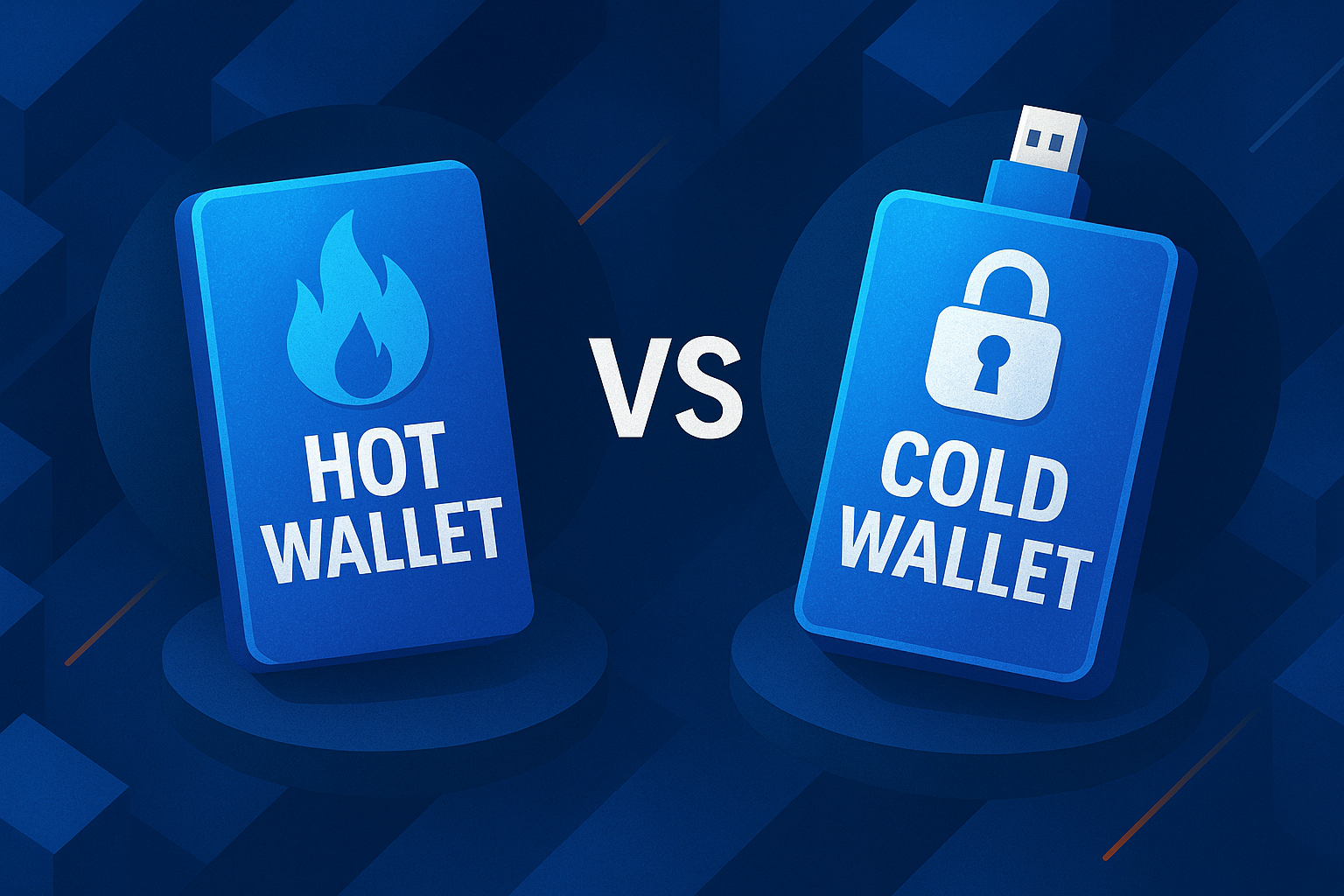
Wallet Hygiene Guide: How To Keep Your Crypto Safe
Mar 18, 2026 • 4 minutes read
Crypto and Web3's 12 Biggest Narratives in 2026
Feb 20, 2026 • 4 minutes read
Honeypot Crypto Scams: How to Detect and Avoid Them
Feb 18, 2026 • 4 minutes read
How to Use Phantom Wallet Safely: A Beginner’s Guide
Feb 12, 2026 • 4 minutes read
Install once & immediately get protected from scams, phishing and hacks. Zero losses for 250k+ users in 3 years. Now with up to $30,000 in coverage.