Token
Learn what a crypto token is, how tokens differ from coins, and the security risks of interacting with unknown or unverified tokens.
What is a Token?
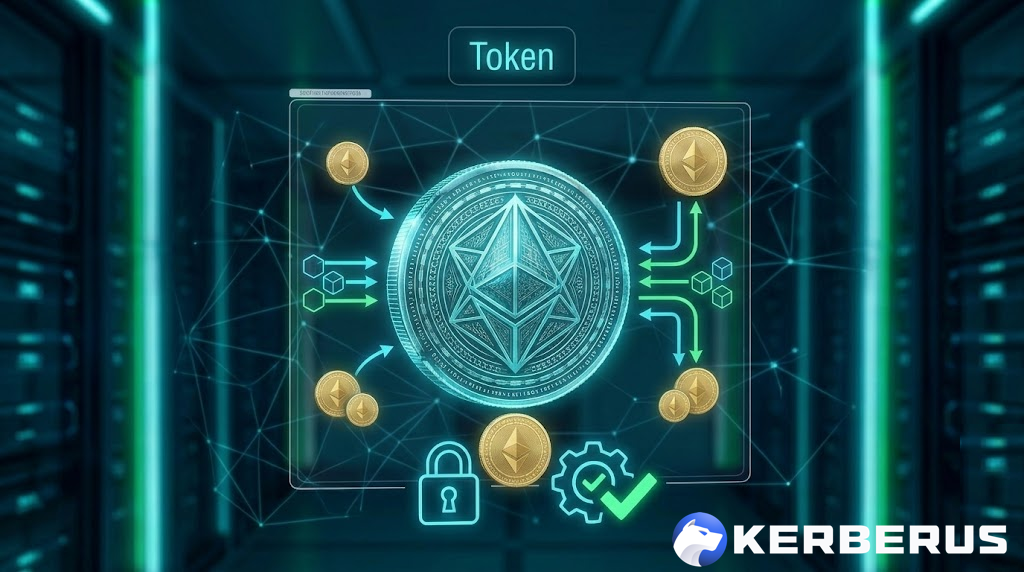
A token is a digital asset created and managed on an existing blockchain, rather than running on its own independent network. Tokens are built on top of platforms like Ethereum or Solana using smart contracts, and they can represent anything from a currency to a voting right to ownership of a digital collectible.
The most important distinction to understand is the difference between a coin and a token. A coin, like ETH or SOL, is native to its blockchain and used to pay for transactions on that network. A token, like USDC or UNI, is created by a third party and runs on top of an existing chain.
How It Works
Creating a token on Ethereum is relatively straightforward. A developer writes a smart contract following a standard format, called ERC-20 for fungible tokens (interchangeable, like currency) or ERC-721 for non-fungible tokens (unique, like NFTs). Once deployed, the smart contract handles all the logic: how many tokens exist, who holds them, and how they transfer between wallets.
This accessibility is both the power and the danger of tokens. Because anyone can create one with minimal technical knowledge, the crypto market contains thousands of tokens with no real utility, and some created specifically to scam buyers.
The most common token-based scam is the rugpull, where a developer creates a token, generates hype and trading volume, then withdraws all the liquidity, leaving holders with worthless assets. Honeypot tokens are another variant, designed so buyers can purchase but never sell.
Tokens also power DeFi protocols, governance systems, and loyalty programs across thousands of legitimate projects. The challenge for any user is telling the difference.
How to Reduce Risk
-
Research any token before buying: check who created it, whether the smart contract is audited, and how long liquidity has been locked.
-
Be skeptical of tokens promoted aggressively on Telegram, Discord, or social media with promises of guaranteed returns.
-
Use Kerberus Sentinel3 to screen dApp and trading sites for scam activity before connecting your wallet.
-
Avoid signing approval transactions for unfamiliar tokens, as some grant unlimited access to your wallet’s funds.
The Mantra Network $5.4 billion collapse in April 2025 became the year’s most destructive token-related exit, with 43.6 million OM tokens worth approximately $227 million moved to exchanges in a short window, triggering a 94% price crash and leaving thousands of investors with near-worthless holdings, according to Dappradar.
On Pump.fun, a Solana-based token launchpad, research showed that up to 98% of new tokens displayed warning signs consistent with pump-and-dump or rugpull schemes.
FAQ
Q: What is a crypto token?
A: A token is a digital asset created and managed on an existing blockchain using smart contracts, rather than running on its own independent network. Tokens can represent currency, voting rights, or digital collectibles. Unlike coins native to a blockchain like ETH or SOL, tokens are created by third parties on platforms like Ethereum or Solana.
Q: How do tokens work on a blockchain?
A: A developer writes a smart contract following a standard format, such as ERC-20 for fungible tokens or ERC-721 for NFTs. Once deployed, the contract handles how many tokens exist, who holds them, and how they transfer. Because anyone can create a token with minimal technical knowledge, the market contains both legitimate projects and scam assets designed to steal from buyers.
Q: How can users avoid token scams?
A: Research any token before buying by checking whether its smart contract is audited and whether liquidity has been locked by an independent third party. Avoid tokens promoted aggressively with guaranteed return promises on Telegram or social media. Never sign approval transactions for unfamiliar tokens, and use Kerberus Sentinel3 to screen trading sites before connecting your wallet.
Written by:
Werner Vermaak is a Web3 author and crypto journalist with a strong interest in cybersecurity, DeFi, and emerging blockchain infrastructure. With more than eight years of industry experience creating over 1000 educational articles for leading Web3 teams, he produces clear, accurate, and actionable organic material for crypto users.
- •8+ years in crypto & blockchain journalism
- •1000+ educational articles for leading Web3 teams
- •Former content lead at CoinMarketCap, Bybit, OKX
Related Terms
See more glossary terms
Install once & immediately get protected from scams, phishing and hacks. Zero losses for 250k+ users in 3 years. Now with up to $30,000 in coverage.