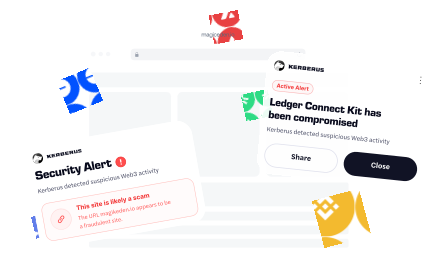
Non-Fungible Tokens (NFT)
NFTs are unique digital assets on the blockchain. Learn how NFTs work, their use cases, and how to protect your collection from theft.
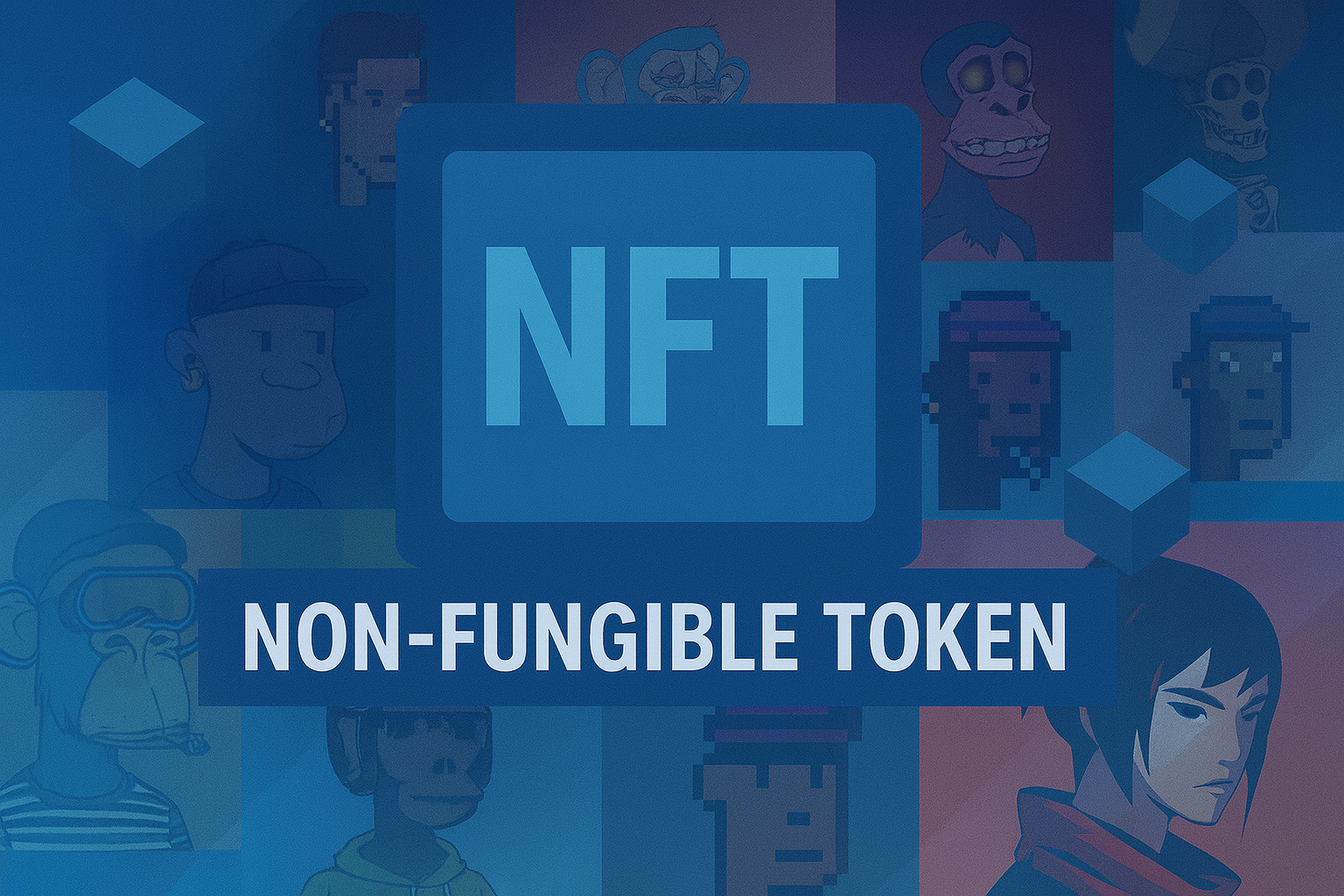
What Is a Non-Fungible Token?
A non-fungible token (NFT) is a unique digital certificate stored on a blockchain that proves ownership of a specific digital asset, such as artwork, collectibles, gaming items, or domain names. Unlike cryptocurrencies that are interchangeable, each NFT has distinct properties and cannot be replicated or exchanged on a one-to-one basis. NFTs use smart contracts on blockchains like Ethereum to establish provable ownership, authenticity, and scarcity of digital items.
The Bored Ape Yacht Club’s rise from free mints to multi-million dollar valuations demonstrates both the potential and volatility of NFT investments, while numerous rugpull projects highlight the importance of thorough due diligence. NFTs are at particular risk of malicious software designed to steal them, such as crypto drainers.
How Non-Fungible Tokens Work
NFTs are created through a process called minting, where digital content is uploaded to a blockchain and assigned a unique identifier that serves as a permanent ownership record. The NFT contains metadata pointing to the digital asset and ownership history, while smart contracts govern transfers, royalties, and usage rights.
Popular NFT marketplaces like OpenSea, Magic Eden, and Blur facilitate buying, selling, and trading these Web3 tokens, with transactions recorded permanently on the blockchain for transparency and verification.
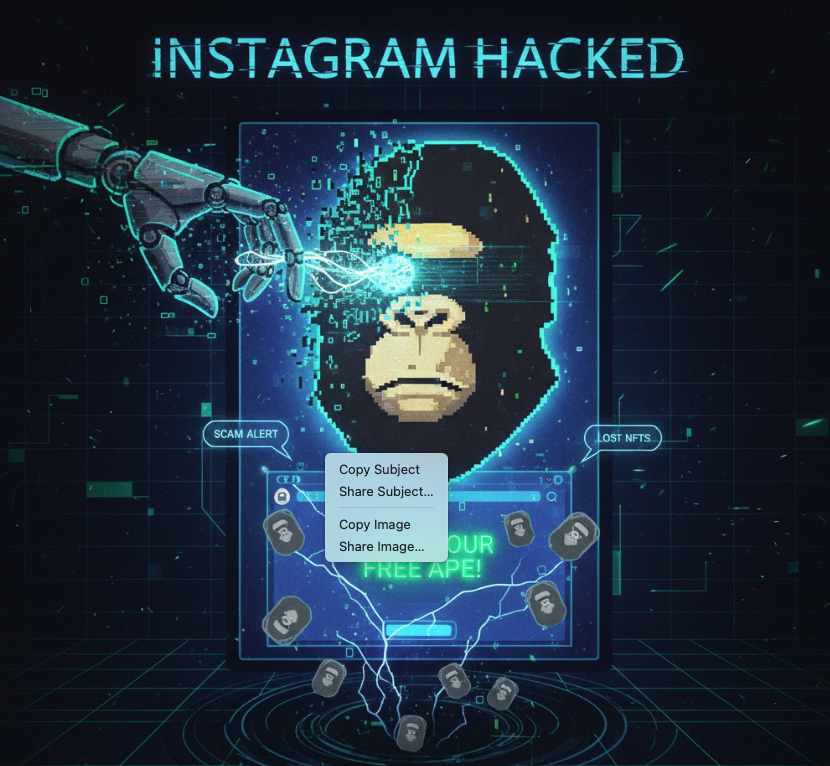
However, hackers are after your NFTs, whether it’s a bull market or a bear market.
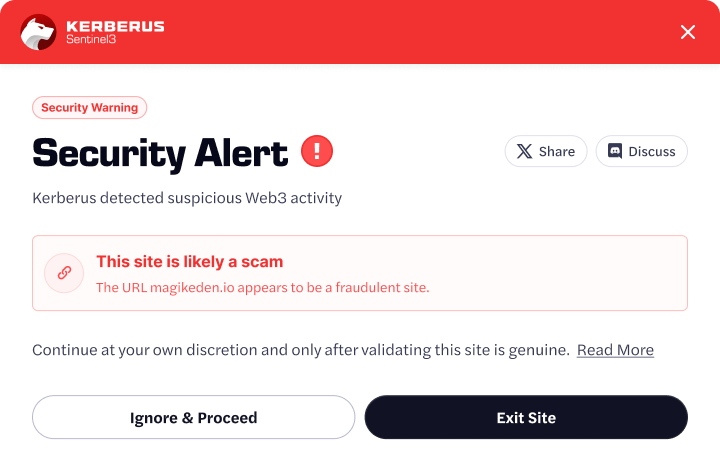
A top Web3 security tool like Kerberus can protect and alert you in real-time through its browser extension or API.
How to Reduce Risk
- Verify the authenticity and provenance of NFTs before purchasing by checking creator profiles and project history
- Use reputable marketplaces with strong security practices and avoid suspicious or newly launched platforms
- Store valuable NFTs in hardware wallets and regularly revoke unnecessary marketplace approvals
- Research project roadmaps, utility, and community strength before investing in NFT collections
- Use transaction analysis tools like Kerberus to detect malicious contracts before approving NFT transactions
Written by:
Werner Vermaak is a Web3 author and crypto journalist with a strong interest in cybersecurity, DeFi, and emerging blockchain infrastructure. With more than eight years of industry experience creating over 1000 educational articles for leading Web3 teams, he produces clear, accurate, and actionable organic material for crypto users.
- •8+ years in crypto & blockchain journalism
- •1000+ educational articles for leading Web3 teams
- •Former content lead at CoinMarketCap, Bybit, OKX
Related Terms
See more glossary terms
Install once & immediately get protected from scams, phishing and hacks. Zero losses for 250k+ users in 3 years. Now with up to $30,000 in coverage.