Cross-Chain Bridge Vulnerability
Cross-chain bridge hacks cause massive crypto losses. Learn how bridge exploits work and how to protect your assets when moving funds.
What Is a Cross-Chain Bridge Vulnerability?
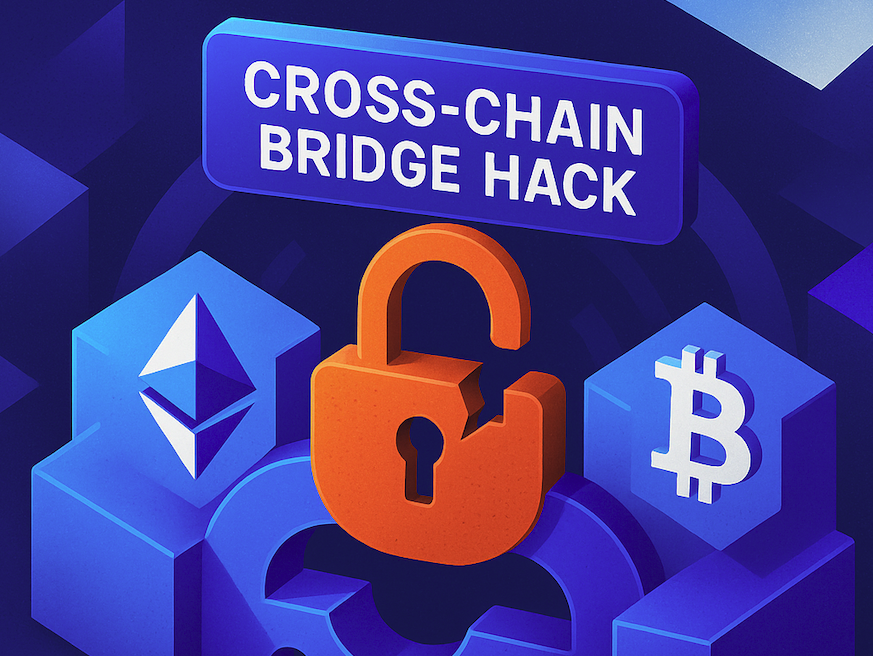
A cross-chain bridge vulnerability is a security weakness in systems that move cryptocurrency between different blockchains, where flaws in the bridge’s design or operation can lead to massive theft of user funds. These vulnerabilities are particularly dangerous because bridges hold large amounts of cryptocurrency in centralized pools, making them attractive targets for hackers who exploit weaknesses in how bridges verify and process cross-chain transactions.
How Cross-Chain Bridge Vulnerabilities Work
Bridge vulnerabilities typically involve attackers exploiting weak points in the bridge’s security system, such as compromising the private keys that control fund transfers, manipulating the verification process that confirms transactions between chains, or exploiting bugs in the bridge’s smart contracts.
Hackers often target the human element, just as they would do with phishing techniques to drain user wallets, by compromising bridge operators or validators through social engineering, then use their access to authorize fraudulent withdrawals or create fake deposit confirmations that allow them to steal funds.
Web3 Disaster: The Wormhole bridge exploit in 2022, which resulted in $325 million stolen through a signature verification vulnerability, and the continuing evolution of bridge attack methods demonstrate how cross-chain infrastructure remains one of the most vulnerable components in the DeFi ecosystem
How to Reduce Cross-Chain Bridge Risk
- Research bridge security models, validator decentralization, and historical security track records before transferring significant amounts
- Use established bridges with strong reputations and avoid newly launched or experimental protocols during their testing phases
- Consider transfer limits and timing when moving large amounts, as bridges often implement daily withdrawal caps for security
- Monitor bridge announcements for security disclosures and emergency pause mechanisms
- Use transaction analysis tools like Kerberus to verify bridge contract legitimacy before approving cross-chain transfers
- Use a top 2026 Web3 security tool like the Kerberus browser extension to secure yourself pro-actively and get alerted before it’s too late.
Written by:
Werner Vermaak is a Web3 author and crypto journalist with a strong interest in cybersecurity, DeFi, and emerging blockchain infrastructure. With more than eight years of industry experience creating over 1000 educational articles for leading Web3 teams, he produces clear, accurate, and actionable organic material for crypto users.
- •8+ years in crypto & blockchain journalism
- •1000+ educational articles for leading Web3 teams
- •Former content lead at CoinMarketCap, Bybit, OKX
Related Terms
See more glossary terms


Install once & immediately get protected from scams, phishing and hacks. Zero losses for 250k+ users in 3 years. Now with up to $30,000 in coverage.