Blockchain
Learn what a blockchain is, how it works as a distributed ledger, and why its immutability makes it both powerful and a target for scammers.

What is Blockchain?
A blockchain is a distributed digital ledger that records transactions across thousands of computers simultaneously, making those records permanent and virtually impossible to alter without the agreement of the entire network.
Every entry is grouped into a “block,” and each block links to the one before it, forming a chain. That structure is where the name “blockchain:” comes from.
This architecture underpins Bitcoin, Ethereum, and nearly every cryptocurrency in existence. Because no single company or government controls it, blockchains are described as decentralized, and that decentralization is what makes them resistant to censorship and fraud.
How It Works
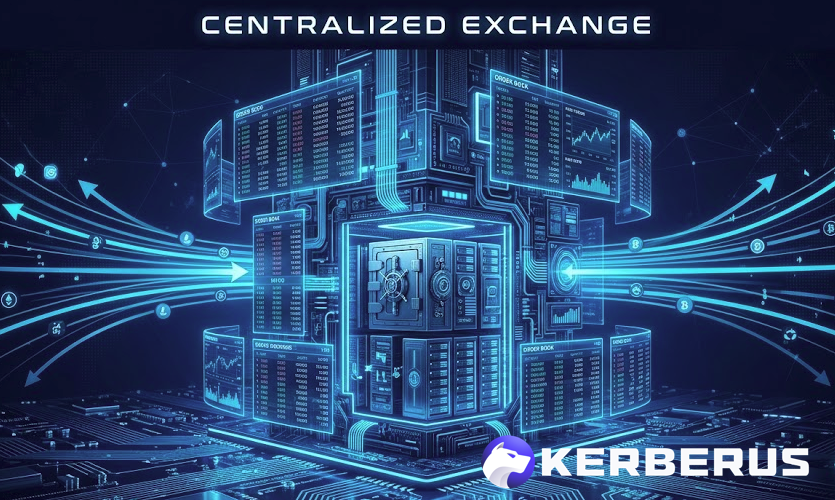
Think of a traditional bank ledger: one company controls it, updates it, and can freeze or reverse entries. This is called centralized control.
A blockchain replaces that with a shared, decentralized ledger with no single location. It is maintained by thousands of independent computers, called nodes, spread across the globe. When you send cryptocurrency, your transaction is broadcast to the network, verified by multiple nodes, and then bundled and locked into a block alongside other recent transactions.

Once a block is added to the chain, changing it would require rewriting every block that followed, across the majority of the network simultaneously. The computing power required to do that (with a so-called 51% attack) makes it economically pointless to attempt if a network is decentralized enough. This property is called immutability, and is a core tenet of what makes crypto so valuable.
Different blockchains use different methods to agree on which transactions are valid. Bitcoin uses Proof of Work, where computers compete with processing power to solve mathematical puzzles.
Ethereum switched to Proof of Stake in 2022, where validators lock up (stake) their ETH as collateral to earn the right to confirm transactions. Both systems make dishonest behavior expensive and honest behavior profitable.
In December 2025, the Flow blockchain suffered a private key compromise that allowed an attacker to mint millions of wrapped FLOW tokens through an upgradeable proxy contract, draining approximately $3.9 million in minutes and sending FLOW’s token price down over 40%.
The attack required no smart contract bug, only a stolen key, illustrating that the blockchain ledger itself may be immutable but the infrastructure around it is only as secure as the people and keys managing it.
Ethereum’s DAO hack in 2016 caused it to roll back transactions and split into 2 chains, Ethereum and Ethereum Classic. It remains controversial to this day.
How to Reduce Risk
-
Verify that any dApp (decentralized application) or Web3 site you connect your wallet to is legitimate before approving transactions
-
Use Kerberus Sentinel3 to scan Web3 sites in real time before your wallet connects, catching scam sites the moment they launch.
-
Store significant holdings in a hardware wallet (a physical device that keeps your private key offline) rather than a browser extension wallet.
-
Double-check wallet addresses before sending funds, because blockchain transactions cannot be reversed once confirmed.
FAQ
Q: What is a blockchain?
A: A blockchain is a distributed digital ledger that records transactions across thousands of computers simultaneously. Each entry is grouped into a block, linked to the one before it, making records permanent and virtually impossible to alter. No single company or government controls it, which makes it resistant to censorship and fraud.
Q: How does a blockchain work?
A: When you send cryptocurrency, your transaction is broadcast to a network of independent computers called nodes, which verify it and lock it into a block. Once recorded, changing that block would require rewriting the entire chain across the majority of the network simultaneously, making fraudulent alterations economically pointless.
Q: How can users stay safe when using blockchain-based applications?
A: Always verify a Web3 site before connecting your wallet, since blockchain transactions cannot be reversed. Use Kerberus Sentinel3 to detect scam sites in real time before your wallet connects. Store significant holdings in a hardware wallet, and double-check every address before sending funds.
Written by:
Werner Vermaak is a Web3 author and crypto journalist with a strong interest in cybersecurity, DeFi, and emerging blockchain infrastructure. With more than eight years of industry experience creating over 1000 educational articles for leading Web3 teams, he produces clear, accurate, and actionable organic material for crypto users.
- •8+ years in crypto & blockchain journalism
- •1000+ educational articles for leading Web3 teams
- •Former content lead at CoinMarketCap, Bybit, OKX
Related Terms
See more glossary terms

Install once & immediately get protected from scams, phishing and hacks. Zero losses for 250k+ users in 3 years. Now with up to $30,000 in coverage.