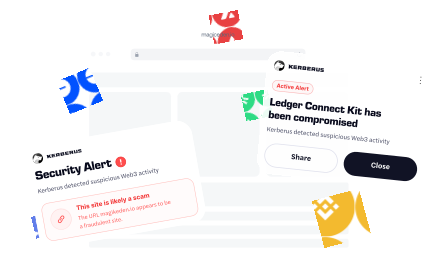
Kerberus 2025 Review: Taking Real-Time Web3 Security Mainstream
Kerberus closed 2025 with 250k+ protected users and zero losses for 3+ years. From Solana protection to RMA badges, here's our year in review.

Introduction
In 2025, crypto users lost billions to scams, wallet drainers, phishing, and social engineering.
But while most of the industry was still talking about post-mortems, Kerberus quietly did something far more impactful: it prevented Web3 user losses from happening.
As we shared in our official recap on X, Kerberus closed the year with over 250,000 protected users and zero asset losses for more than three consecutive years. This is a milestone few, if any, Web3 security companies can claim.
Looking back at 2025, it tells the story of how Kerberus became the first real-time guardian for Solana, reshaped how the Web3 industry should think about human-layer risk, and turned a browser extension into the frontline defense of Web3.
Biggest Milestones of 2025
We Defended Our Zero-Loss Record (3 years+)
The defining metric of Kerberus’s 2025 performance is simple:
0 losses for users in over 3 years.
That stat remains most important to us. All our acquisitions, expansions, IRL appearances, and research outputs all worked toward one goal: eliminating the final mile of crypto risk by improving user behavior.
We do this by being proactive, not reactive.
While most security tooling still relies on audits, alerts, and dashboards, Kerberus focused on interception. Our multi-browser extension stops malicious approvals, fake mints, and phishing interactions before users sign away their funds.
Solana is Finally Protected (February 2025)
For the first five years of its existence, Solana had no dedicated Web3 security tools. Our research report estimated that Solana users lost $250 million in 2025, 15% of all crypto losses.
That changed in February 2025, when Kerberus Sentinel3 became the first ever Web3 scam-protection extension for Solana.
“Solana has been the only chain not covered by any Web3 security tools for 5 years since its launch. That changes today.”
https://x.com/Kerberus/status/2008851001932181857
First Chrome Extension To Get an RMA Badge
Within weeks, Sentinel3 became the first Chrome extension ever to earn the VaaSBlock Risk Management Authentication (RMA) badge, validating Kerberus’s real-time protection approach.
https://x.com/vaasblock/status/1892855088349434283
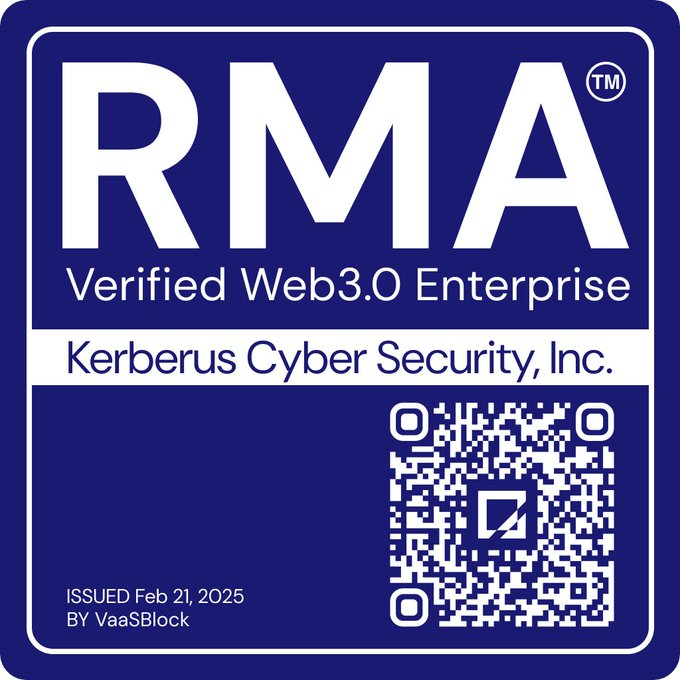
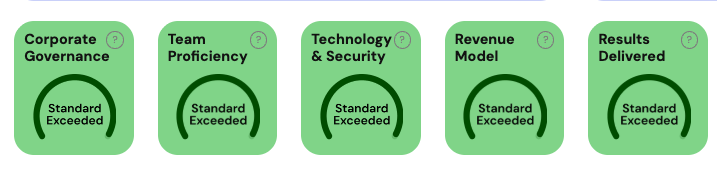
In its blog announcement, VaaSBlock said that the simplicity of Kerberus’ business model sets it apart from other audits to date:
- Every aspect reviewed made sense
- Sentinel3 addresses real challenges that traders face
- it operates on a truly Web3 revenue model
- Kerberus’ highly capable team displayed exceptional performance.
Ben Rogers, CEO of VaaSBlock added: “Their outstanding detection capabilities and flawless record set a new benchmark in Web3 security. This award shows that effective technology can be simple and transforms compliance into a clear competitive advantage.”
Kerberus Acquires Pocket Universe
In August 2025, Kerberus completed its second acquisition in under a year, acquiring Pocket Universe, one of the fastest-growing and most popular screening tools in Web3.
With this, the two biggest Web3 security technologies joined forces, bringing double the protection to Web3 users so they never get drained again.
https://x.com/Kerberus/status/1958499517948645671
Pocket Universe, launched over 3 years ago, is a browser extension that displays clear warnings on malicious Web3 transactions with coverage on all Web3 transactions up to $20k on various chains.
It warns you if a token looks like it was launched by serial rugpullers, and gives you warnings on small-cap trading platforms like Dexscreener, Photon, Pumpdotfun, and BullX.
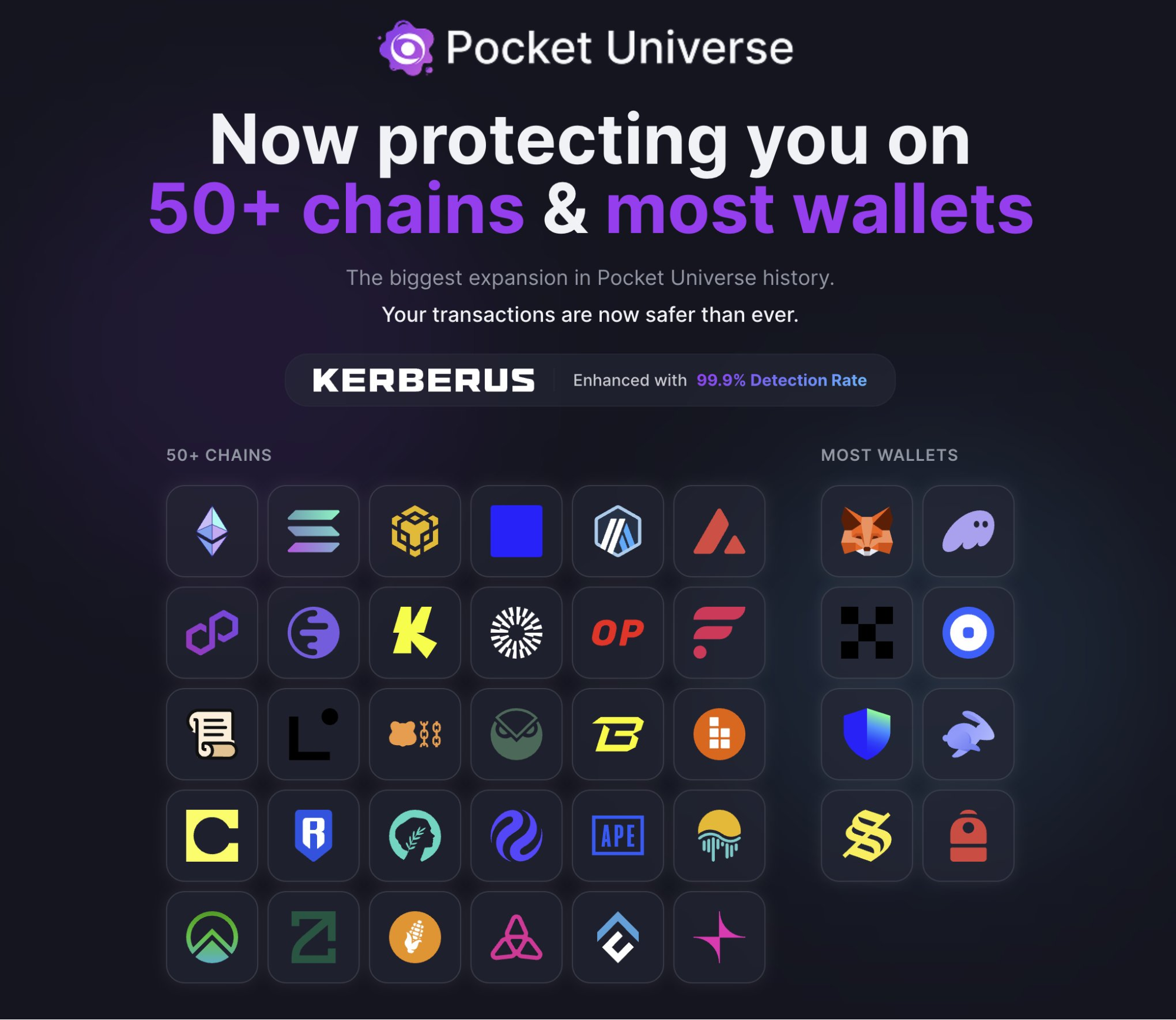
There was a cool end-of-year surprise for Pocket Universe users when the team announced that it was now secured with the latest Kerberus technology with up to $30k coverage.
https://x.com/PocketUniverseZ/status/2008150798803349656
The integration immediately expanded protection on Solana, including support for Phantom users, creating one of the most comprehensive consumer-side security stacks in crypto.
Supply Chain Incident Response (September 2025)
In September 2025, a large-scale crypto supply chain attack spread across the ecosystem, compromising websites and injecting malicious scripts.
Kerberus gave its users the all-clear within hours.
“We’ve finished our investigation and can confirm that Kerberus Sentinel3 users are protected from this.”
https://x.com/Kerberus/status/2008851011335786905
While most users were told to stop transacting entirely, Kerberus users were already protected by the extension’s runtime inspection layer. It proved yet again the value of preventative tooling rather than reactive warnings.
Media and Research Reports
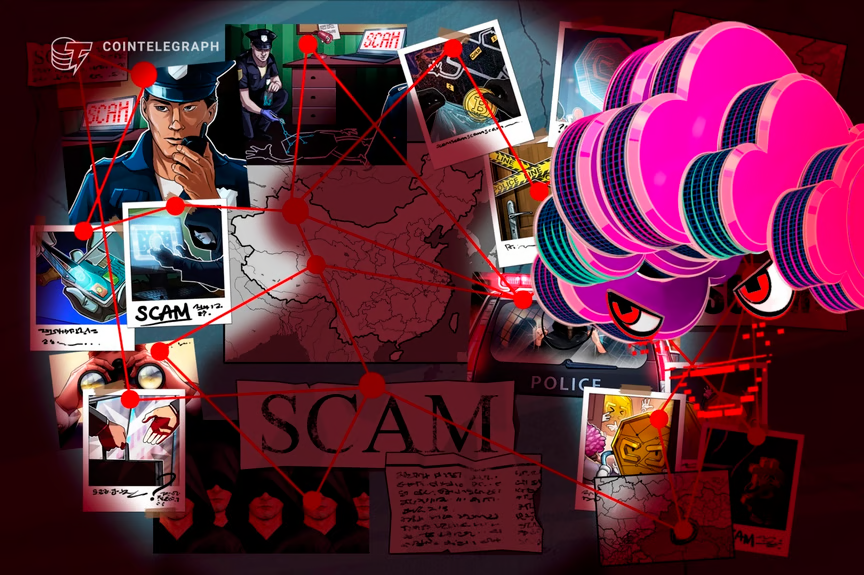
Postmortems can’t stop AI-powered crypto fraud (Cointelegraph)
In November, Kerberus CTO Danor Cohen published a widely shared Cointelegraph op-ed on AI-powered scams.
https://x.com/Cointelegraph/status/1985663407270297644
“The answer isn’t to embed AI in every wallet; it’s to build systems that make AI-powered deception unprofitable and unviable.” — Danor Cohen, CTO
The piece explained that crypto fraud no longer operates at human speed. It scales, adapts, and personalizes in real time, thereby forcing security systems to do the same.
The Human Factor: Real-Time Web3 Protection (Report)
One of Kerberus’s most important contributions in 2025 was a research report revealing that:
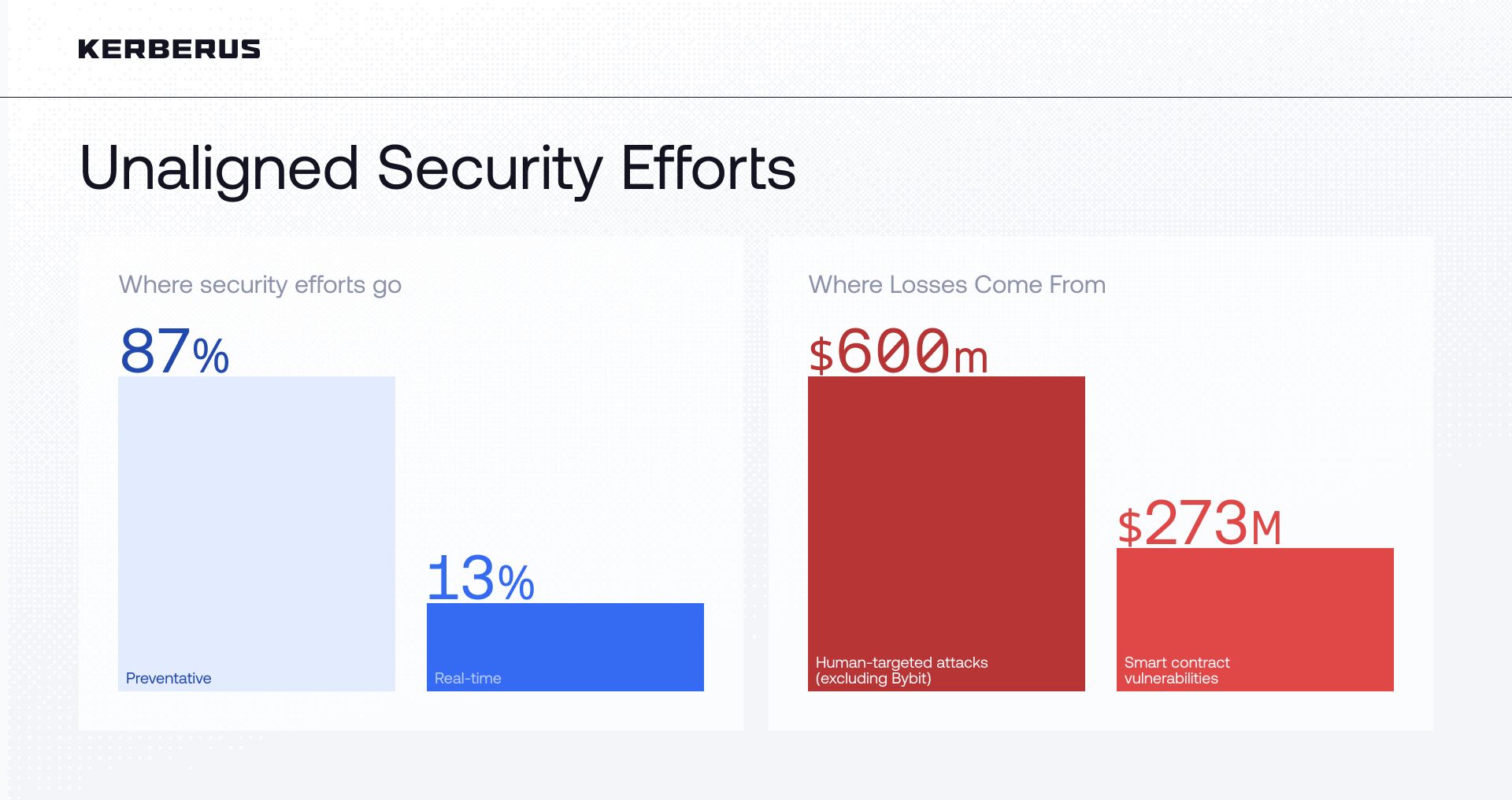
Over $600 million was lost in H1 alone due to human error, not smart-contract exploits.
Our research showed that human behaviour is the primary Web3 risk:
- 44% of crypto thefts involve private key mismanagement
- 60% of breaches are caused by human error.
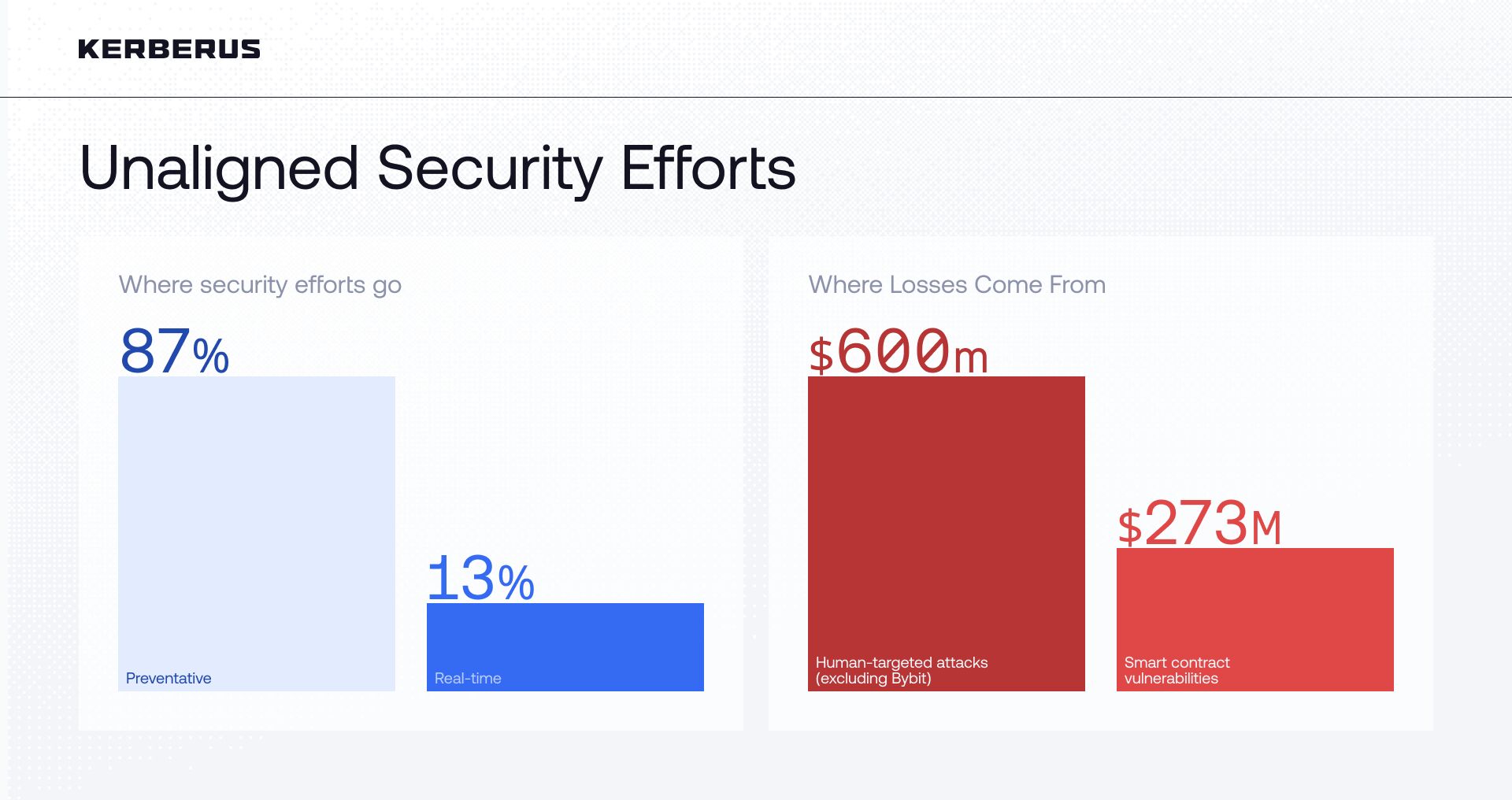
- Despite this, real-time solutions only account for 13% of the market.
The majority of providers are sticking with preventative security.
Why does this matter?
Preventative Security uses pre-deployment and ongoing audits, post-incident analysis, bug bounties, and reporting, real-time monitoring, and alerts. However, 90% of exploited smart contracts had already passed security audits, showing its ineffectiveness.
Real-Time Protection, conversely, directly intervenes at the wallet or transaction level to stop malicious or incorrect transactions from getting approved by detecting phishing, blocking malicious dApps, and scanning transactions.
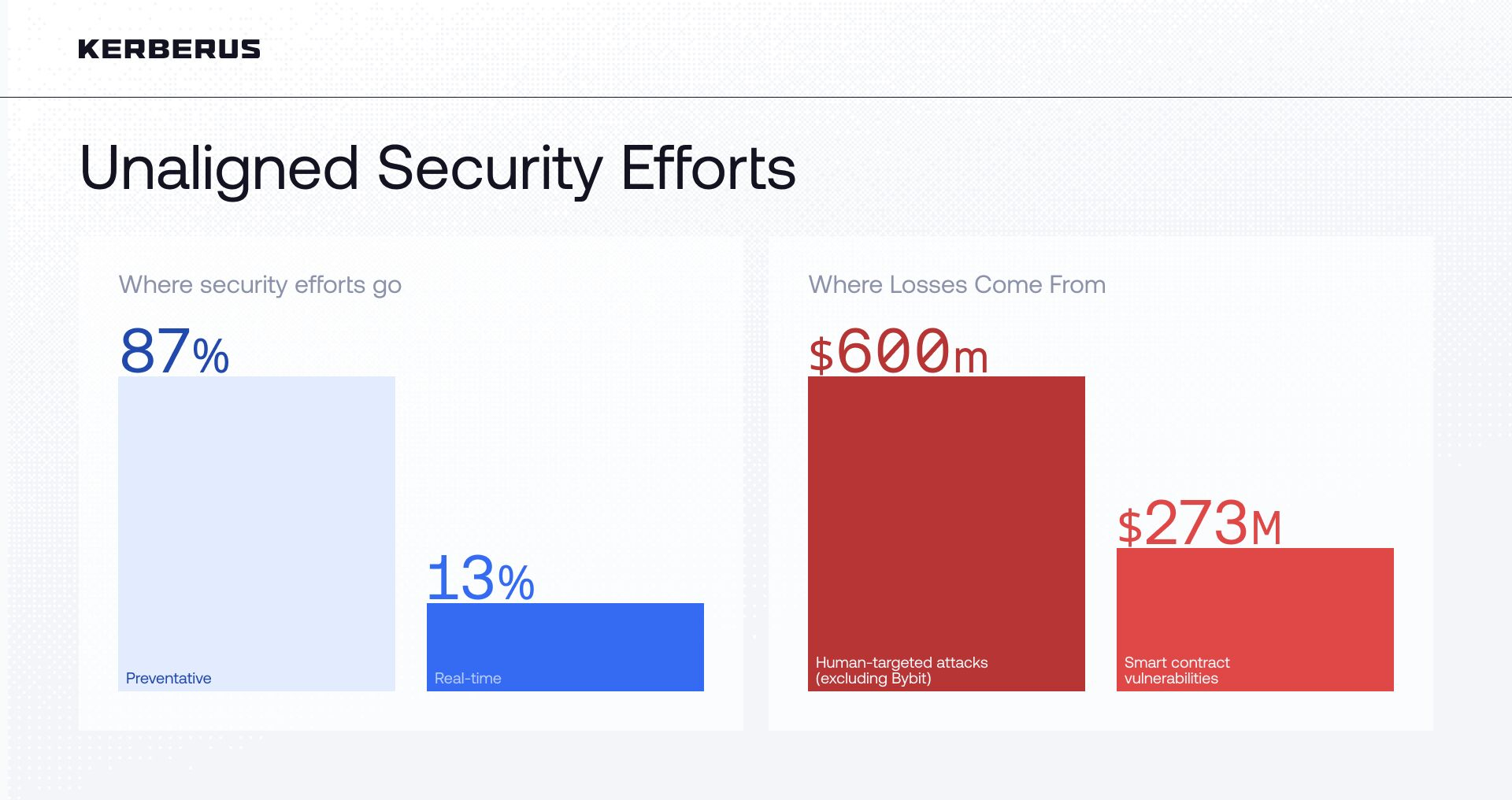
“Real-time protection is the most unsung layer of Web3 cybersecurity.” Kerberus Research
https://x.com/Kerberus/status/2008851034790314282
Solana Wallet Safety Report (December)
To coincide with our presence at Breakpoint, Kerberus published “State of Wallet Safety on Solana 2025”, breaking down why Solana users face disproportionate scam exposure and why guardianship tooling is no longer optional.
https://www.kerberus.com/articles/scaling-solana-safely/
Going Global: IRL Events and Sponsorships
2025 marked Kerberus’s first major global conference circuit.
We made a big impact at the world’s biggest crypto conferences in Singapore, Argentina and the UAE to name a few, where we were co-sponsors and educated attendees in high-level keynote and panel discussions.
Our iconic Kerberus branding of the entrances of Token2049 and Solana Breakpoint let all attendees know from the moment they arrived:
There’s a new Web3 sheriff in town. Kerberus are the gatekeepers of Web3, securing you where others cannot.
These were our most notable IRL events of the year:
Token2049 Singapore (October 2025)
We came out firing at the world’s number 1 crypto conference with our “Gatekept by Kerberus” campaign. By turning security checkpoints into the brand touchpoint every attendee had to pass, we took our mission from on-chain to on-site!
In an interview, CEO Alex Katz made it clear that Kerberus is only getting started:
https://x.com/Kerberus/status/1973391576492810618
Here’s how we worked with our PR partner to make it happen: https://www.instagram.com/input.global/reel/DRe-1ndDGjM/
Devconnect Buenos Aires (November 2025)
Kerberus founders Danor Cohen & Alex Katz travelled to Argentina, (Alex’s homeland) for a series of high-profile talks on real-time security during DevConnect 2025 Argentina, a collaborative week of Ethereum-focused events.
https://x.com/Kerberus/status/2008851018520662152
Below are some highlights in Buenos Aires.
DeFiConnect
At DeFiConnect, Alex and Danor conducted an alpha keynote, where they pointed out that only 1 in 7 tools operate in real time, even though most losses occur during wallet interaction, and not during contract execution.
https://x.com/Kerberus/status/1993881972561805754
This perspective now defines the company’s roadmap: building Web3 protection that activates exactly when users are about to make irreversible mistakes.
Trustless Conference
Our Chief Blockchain Officer, OfirEliasi, spoke at Ethereum DevCon about how @ethinteroplayer is making cross-chain UX feel single-chain simple.
https://x.com/trustlessconf/status/1991635217761624083
DeFi Security Summit
We sponsored the DeFi Security Summit, where Ofir spoke about EIP-7702: ephemeral accounts and the new security paradigm for Ethereum wallets.
https://x.com/Kerberus/status/1991915941207359564
De.Fiesta
We hosted De.Fiesta with 1Inch, Ledger and Certora in Buenos Aires. It was a night where everyone showed up the next day with stories and hangovers.
https://x.com/Kerberus/status/1990917564940288365
Solana Breakpoint 2025 (Abu Dhabi)
Kerberus ended the year strong, branding the entrance of the official annual Solana conference, this time in futuristic Abu Dhabi.
“Security isn’t something users should have to think about; it should just work” Alex Katz
https://x.com/Kerberus/status/2000966634283188661
We strengthened our connections within the Solana community and also launched a special edition Kerberus Ledger wallet.
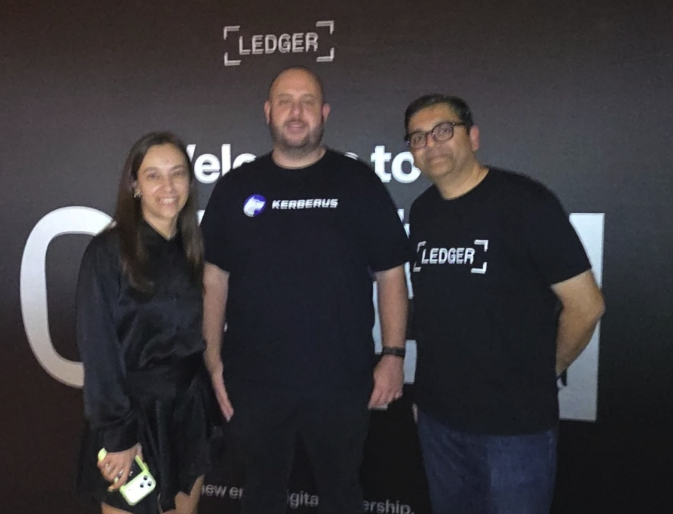
Ledger x Kerberus in Abu Dhabi
The Kerberus Brand Identity
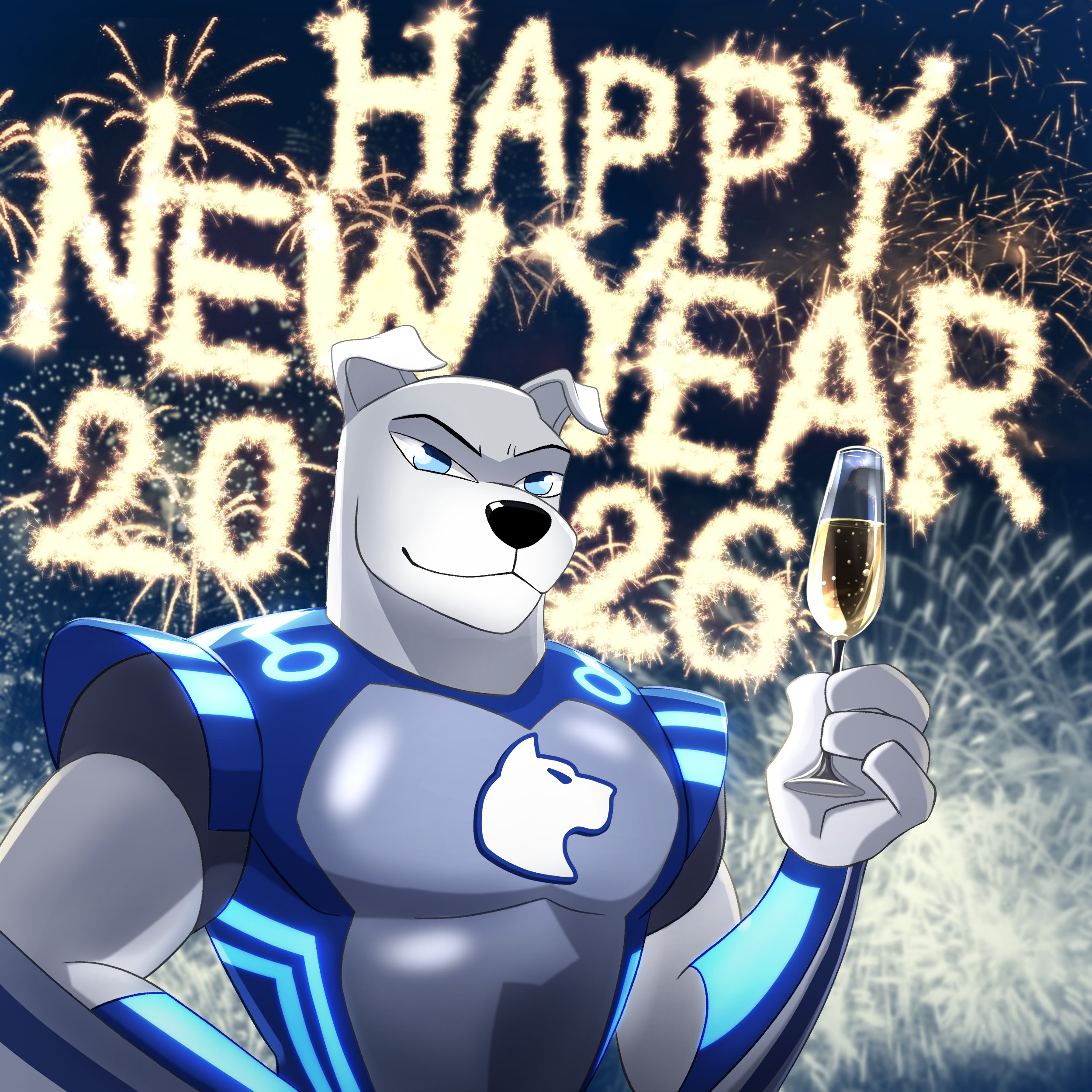
To close the year, the team introduced Kerberus, the face of Web3 security, a symbolic step toward making protection human-centric rather than technical.
It’s a subtle move, but a meaningful one: security is no longer an invisible layer. It is a product, a companion, and a guardian, with you every step of the way on your Web3 journey.
What’s Next For Kerberus in 2026?
In a year marred by escalating crypto scams, AI-driven deception, and human-layer risk, Kerberus created a new standard of Web3 security. A recurring theme across Kerberus’s 2025 content was this:
Human behavior, not code, is Web3’s biggest vulnerability.
This proactive security is something we must build on and leverage in 2026.
For Web3 to reach its next billion users, real-time protection can no longer be optional in 2026, but non-negotiable.
Ready to protect your Web3 transactions with real-time security? Get Sentinel3 and join 250k+ users who have experienced zero losses with 99.9% detection rate and $30,000 coverage per transaction. Learn more about Solana scam protection and how to protect yourself from wallet drainers.
Written by:
Alex brings operational discipline from his years directing global marketing initiatives and scaling international teams. His background in financial markets and digital growth informs Kerberus' strategic development, ensuring our security solutions meet enterprise standards while remaining accessible to individual users.
- •CEO & Co-Founder of Kerberus
- •Identified vulnerabilities in PayPal, Google, and Dropbox
- •Leads Web3 security research and product strategy
Related Articles
See more articles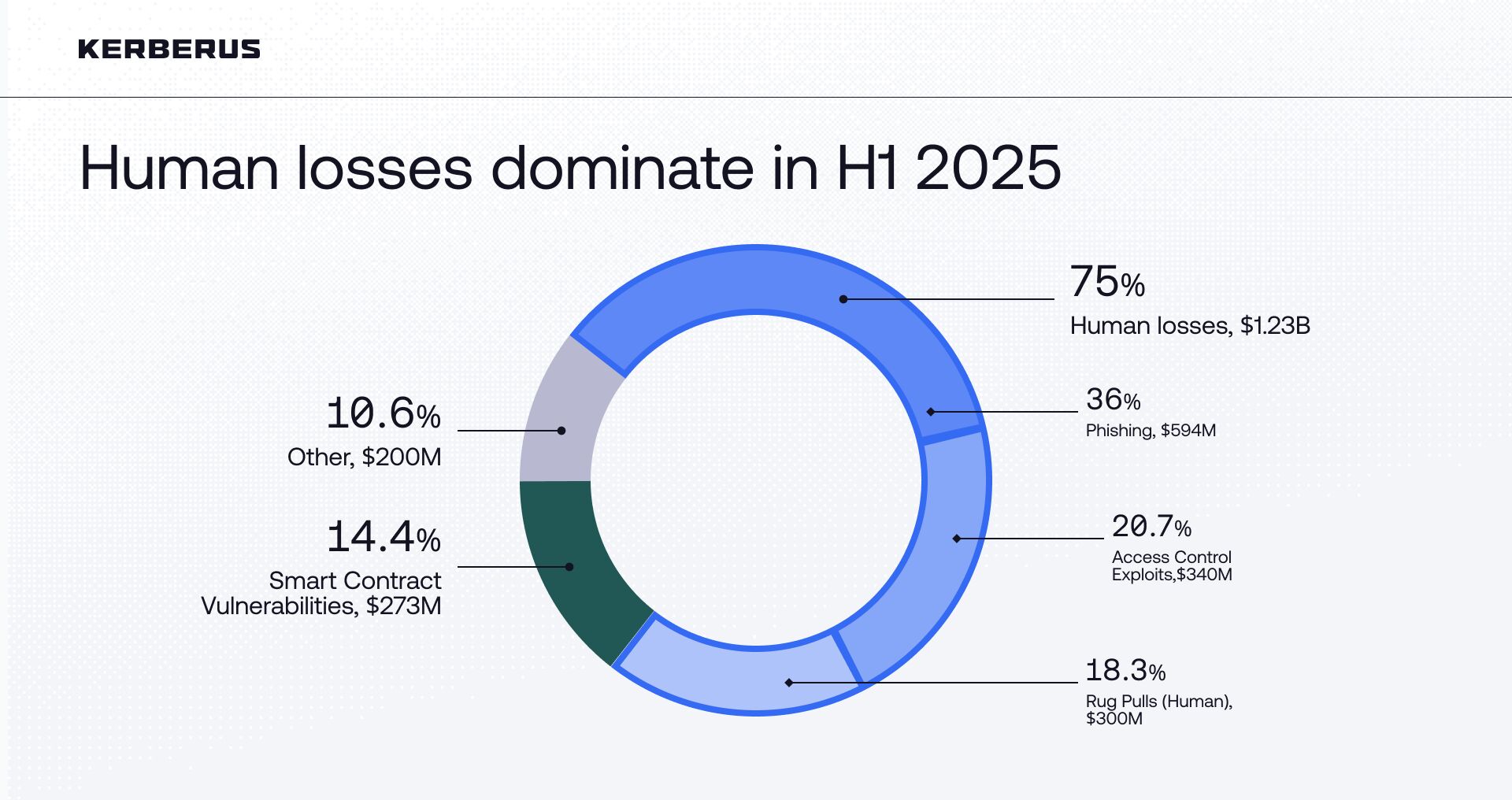
Scaling Solana Safely: Automated Defense for Programs, Authorities, and Wallets
Dec 10, 2025 • 4 minutes read
Report: The Human Factor – Real-Time Protection Is the Unsung Layer of Web3 Cybersecurity (2025)
Nov 17, 2025 • 4 minutes read
Human Errors Drive Most Web3 Losses Despite Billions Spent on Security, Kerberus Finds
Nov 17, 2025 • 4 minutes read
Kerberus Acquires Pocket Universe: Uniting 200k Users in Web3 Security
Aug 21, 2025 • 4 minutes read
Install once & immediately get protected from scams, phishing and hacks. Zero losses for 250k+ users in 3 years. Now with up to $30,000 in coverage.